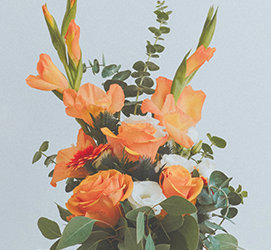
Funeral flowers Harrow Council burial rules
Posted on 07/06/2026
Funeral flowers Harrow Council burial rules: a practical guide for families, florists and funeral arrangers
Planning funeral flowers in Harrow can feel straightforward at first, then suddenly not at all. One minute you are choosing a simple wreath or coffin spray; the next you are trying to work out what Harrow Council burial rules allow at a cemetery, whether flowers can go on a grave straight after the service, and who is responsible for collecting tributes afterwards. That is a lot to juggle at a difficult time.
This guide brings the topic together in one place. We will look at the practical side of Funeral flowers Harrow Council burial rules, how burial grounds typically handle floral tributes, what families should ask before the service, and how to choose arrangements that are respectful, suitable and easy to manage. If you are sending flowers from further away, or arranging everything locally in West Harrow, you will also find helpful internal links to relevant pages such as funeral flowers in West Harrow and our wider sympathy flower options.
Truth be told, the rules are usually less dramatic than people fear, but the details matter. A floral tribute that looks perfect in a shop window can still be awkward in a cemetery if it is too large, too delicate, or left without clear instructions. Let's make it simpler.
Table of Contents
- Why Funeral flowers Harrow Council burial rules Matters
- How Funeral flowers Harrow Council burial rules Works
- Key Benefits and Practical Advantages
- Who This Is For and When It Makes Sense
- Step-by-Step Guidance
- Expert Tips for Better Results
- Common Mistakes to Avoid
- Tools, Resources and Recommendations
- Law, Compliance, Standards, or Best Practice
- Options, Methods, or Comparison Table
- Case Study or Real-World Example
- Practical Checklist
- Conclusion
- Frequently Asked Questions
Why Funeral flowers Harrow Council burial rules Matters
Burial rules affect more than administration. They shape the whole flow of the day: where flowers can be placed, when they can be delivered, whether a wreath can remain by the grave, and how the cemetery is kept safe and tidy for everyone else using it. In a busy London borough like Harrow, that practical side matters. Funeral services often run to tight timings, and a floral tribute left in the wrong place can create avoidable stress.
For families, the point is not bureaucracy for its own sake. It is about dignity. You want the flowers to be in the right place at the right time, not parked on a path, moved by staff, or collected before you expected. A lot of grief-related problems come from small misunderstandings, not big failures. That is why having a clear picture of local burial expectations helps.
There is also a financial angle, if we are being honest. Funeral flowers can be a significant part of the arrangement. Choosing the wrong format, or needing a last-minute replacement because a tribute is unsuitable for the burial ground, can waste money and emotional energy. Picking appropriately from the start is simply kinder all round.
In our experience, the families who feel most settled are the ones who ask a few direct questions early: Can flowers go on the grave? Will they be removed after the service? Are biodegradable materials preferred? Is there a space limit? Those are the little details that make everything feel calmer.
How Funeral flowers Harrow Council burial rules Works
While exact arrangements can vary by cemetery, burial ground, memorial lawn or chapel, the practical process usually works like this: the funeral director, officiant, cemetery staff, or family contact confirms what the venue allows, then the florist prepares the tribute to suit that setting. In most cases, the council or burial ground will care about three things: safety, order, and maintenance.
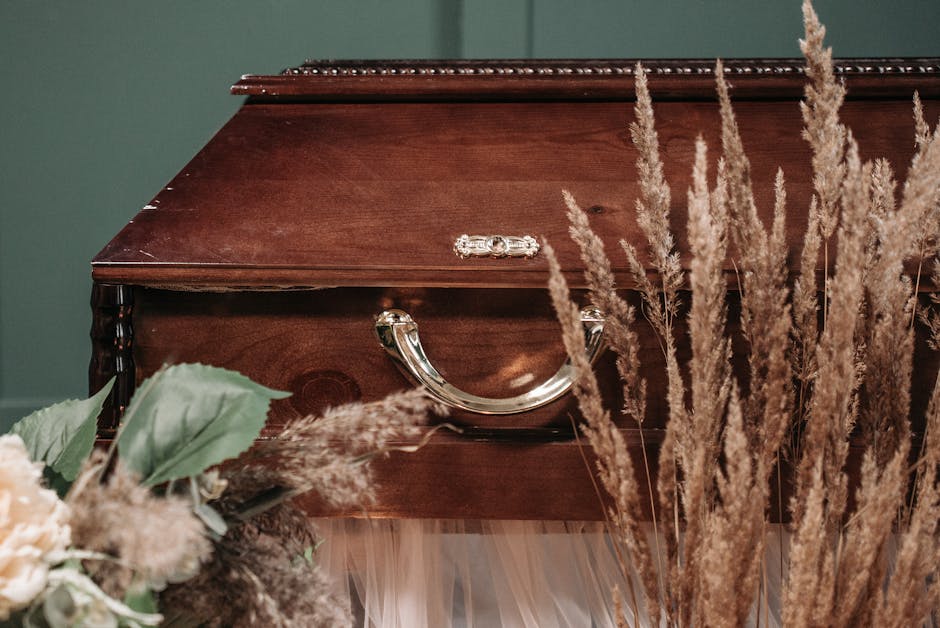
That means the shape and size of the tribute may matter. A classic wreath, casket spray, letter tribute, posy, or sheaf is often easier to place and manage than a very large arrangement. If there is a burial rather than a cremation, flowers may be positioned at the graveside or on top of the coffin before interment, then left for a period if the burial ground permits it. Sometimes they are collected later by the family. Sometimes they remain until staff clear them away. It depends on the site.
It is also normal for the funeral director to coordinate the timing. That is especially important if you are ordering remotely through a local florist such as a Harrow florist or using same-day flower delivery in West Harrow. The flowers need to arrive with enough time for checking, labelling and placement. Nobody wants a tribute turning up after the service has started. A quiet disaster, really.
For burial settings, the most common questions are:
- Can the tribute stay at the graveside after the service?
- Are artificial flowers discouraged or not allowed?
- Should arrangements be fully biodegradable?
- Is there a size limit for coffin sprays or letter tributes?
- Does the council prefer flowers to be removed after a set period?
Those questions are worth asking before you place an order. They save time later, and they help the florist make better recommendations.
Key Benefits and Practical Advantages
Getting the burial rules right is not just about avoiding problems. It also gives you better control over the emotional and visual outcome of the day. A carefully chosen tribute feels intentional. It frames the service in a respectful way and allows the flowers to support, rather than complicate, the occasion.
| Approach | What it does well | Possible drawback |
|---|---|---|
| Large formal tributes | Strong visual presence, suitable for close family | May be harder to place or move at the burial site |
| Wreaths and sprays | Very traditional, easy to recognise and display | Can be too bulky if the cemetery has tight restrictions |
| Posies and baskets | Compact, tidy, easy to carry and position | Less dramatic visually than larger designs |
| Letter tributes and personal shapes | Highly personal, strong family meaning | Need careful sizing and venue approval |
| Biodegradable-style tributes | Often best for burial grounds and natural graveside settings | Availability and design choices can be more limited |
One real benefit is flexibility. If you know the site rules early, your florist can steer you toward a tribute that works well on the day and still reflects the person you are remembering. For example, a compact peaceful wreath or a gentle florist-choice sympathy tribute may fit a graveside service better than a sprawling arrangement.
Another benefit is family harmony. That sounds a bit lofty, but it is true. When everyone understands what can happen with the flowers, there are fewer disagreements about where they go afterwards. The arrangements become part of the farewell, not a point of admin afterwards.
Who This Is For and When It Makes Sense
This topic matters to a few different groups, and each group needs slightly different guidance.
- Immediate family planning the burial service and choosing the main coffin tribute.
- Friends, neighbours and colleagues sending sympathy flowers who need to know what is appropriate for the burial ground.
- Funeral directors coordinating delivery and placement alongside the family's wishes.
- Florists designing the tribute to suit the venue rules and the service schedule.
- People arranging from a distance who cannot attend in person but still want flowers to be delivered correctly.
It makes sense whenever the burial place has specific expectations, which is quite common. The rules may be more relaxed than you think, or they may be quite structured. Either way, knowing ahead of time is useful. If you are sending flowers from outside Harrow, a simple route is to use a local delivery service such as flower delivery in West Harrow or, if you need the tribute quickly, next-day flower delivery.
It also makes sense if the deceased had a faith or cultural background that affects floral form, colour or wording. Some families may prefer white flowers, others may want a specific colour palette, and some may need tributes shaped around letters, hearts or religious symbols. That is normal. The key is respectful matching, not forcing one style on every farewell.
Step-by-Step Guidance
Here is a practical way to handle funeral flowers when burial rules are part of the picture.
- Confirm the burial location
Ask whether the service is at a cemetery, churchyard, crematorium burial plot, or private burial ground. The setting changes the guidance. - Check the local expectations early
Find out if there are limits on size, materials, or where flowers may be placed after the service. - Decide who is responsible for placement
The funeral director may place the flowers, or a family member may do it. Make sure someone knows. - Choose a suitable tribute type
Pick something practical for the site: wreath, spray, posy, sheaf, basket, or letter tribute. - Select colours and wording
Keep the message clear and calm. A short inscription often lands better than a long one. - Ask about timing
Confirm when the flowers should arrive and whether they need to be delivered before the cortege or service begins. - Confirm collection or leaving arrangements
Some burial grounds will ask for tributes to be removed after a period; others allow them to remain. Clarify this. - Keep the florist in the loop
Tell them it is for a burial so they can advise on materials, size, and delivery details.
If you want something simple and dignified, a compact design from the sprays collection or a traditional wreath is often a safe place to start. For a more personal tribute, the tributes range or letter tributes may suit the family better.
A quick example: if the burial is at a council cemetery with narrow graveside access, a family might choose a wreath and a small posy rather than two large sprays. It sounds obvious once you say it out loud, but in the middle of grief, obvious is not always obvious.
Expert Tips for Better Results
The best funeral flower arrangements are rarely the fanciest. They are the ones that feel right, fit the venue, and can be handled with care. Here are the little things that tend to make a real difference.
- Keep the design readable. If the tribute includes a name or word, make sure it can be seen clearly from a short distance.
- Use flowers with good structure. Carnations, chrysanthemums and roses often travel well and hold up nicely. Lighter flowers can still be used, but they may need more support.
- Match the size to the burial space. A compact graveside is not the place for an oversized arrangement that blocks movement.
- Think about weather. A cool morning can turn into a windy or wet afternoon very quickly in London. Delicate petals and loose ribbons need protection.
- Prefer calm, balanced colours. White, cream, soft pink, purple and gentle mixed tones are popular because they feel restful.
- Ask for a delivery window, not just a day. Funeral timing can be tight.
Many families also like to send a separate sympathy arrangement to the home of the bereaved, which is thoughtful and often more practical than trying to do everything in one tribute. A soft thinking of you arrangement or a careful sympathy flowers selection can work well for that purpose.
And a small aside: if you are unsure whether "less is more" applies here, it usually does. Funeral flowers are not a competition, thankfully.
Common Mistakes to Avoid
Most problems with funeral flowers are preventable. The usual mistakes are simple, but they matter.
- Ordering before checking the burial rules. This is the biggest one. A beautiful arrangement can still be wrong for the site.
- Choosing a tribute that is too large. It may look wonderful in a photo and awkward at the graveside.
- Forgetting delivery timing. Funeral florals need precision. "Sometime that morning" is not always enough.
- Using very loose materials. If the tribute may be carried, placed, or later moved, it should be sturdy.
- Writing a long message. Short, sincere wording usually works better.
- Assuming the flowers will stay forever. Burial grounds often have maintenance routines.
- Not telling the florist it is for a burial. That one is easy to miss, and it affects the advice you get.
Another less obvious mistake is mixing up tribute types. A sympathy basket sent to the home is not the same as a coffin spray for the burial service. Both are lovely, but they serve different moments. If you need help choosing, the funeral range is a good starting point.
Tools, Resources and Recommendations
You do not need a complicated toolkit for this. What you do need is a few reliable touchpoints and some common sense. A short call with the funeral director or cemetery office can settle a lot. Then your florist can work from clear information, which is always the best route.
Useful things to have ready:
- the full name of the deceased;
- the date and time of the service;
- the burial location and plot details, if known;
- the preferred tribute style and colour palette;
- delivery instructions and contact name on the day;
- any faith, cultural or family preferences;
- whether the flowers should stay at the grave or be collected later.
From a product point of view, it helps to know the differences between baskets, wreaths, sprays and posies. If you want to browse practical options, the most relevant pages are baskets and posies, sprays, and letter tributes. For families wanting a more bespoke shape or name tribute, the tribute collection is usually the best route.
It can also help to choose a florist with solid local delivery processes. For example, if you are arranging from within Harrow or nearby, a local specialist such as flower shops in West Harrow can simplify coordination on the day. Local knowledge is underrated, honestly. It often saves the most time.
Law, Compliance, Standards, or Best Practice
This is an area where care and caution matter. Burial grounds and councils may set their own operational rules for floral tributes, and those rules can differ by location. Some sites focus on safety and access; others also have expectations around biodegradable materials, grave maintenance or the removal of older tributes. Because these details vary, the safest approach is to treat the burial ground's instructions as the lead reference for that specific service.
In the UK, funeral flower practice is usually guided by a mix of venue rules, funeral director guidance, and common sense around public space maintenance. That means there may not be a one-size-fits-all rule for every cemetery plot. If you are unsure, ask directly before ordering. That is not overthinking; it is sensible planning.
Good practice usually includes:
- using stable, respectful arrangements that can be positioned safely;
- avoiding anything that blocks paths, memorials or access points;
- checking whether non-biodegradable components are acceptable;
- labelling the tribute clearly for funeral staff;
- respecting any collection or clearance schedule.
From a service perspective, it is also best practice for florists to give honest advice if an arrangement is not suitable. A good florist will not simply sell the biggest tribute possible. They will ask the right questions and make a practical recommendation. That is where pages like about us, guarantees and delivery can help build trust, because they show how the service is handled behind the scenes.
For readers concerned about materials, sustainability and care, it is also reasonable to look at our sustainability approach and flower care guidance. In a funeral setting, durability and respect tend to go hand in hand.
Options, Methods, or Comparison Table
If you are deciding what kind of funeral flowers to order, this comparison can help narrow the choice. Each option has its place.
| Option | Best for | Why families choose it | Typical burial-ground fit |
|---|---|---|---|
| Wreath | Traditional remembrance | Classic, calm, familiar | Usually strong, unless space is very tight |
| Coffin spray | Immediate family | Direct tribute on the coffin | Best when coordinated with the funeral director |
| Posy or basket | Friends, relatives, small graveside areas | Compact and easy to position | Often an excellent choice |
| Letter tribute | Personal message or initials | Highly customisable | Needs checking for size and placement |
| Sheaf or tied bouquet | Simple, understated tribute | Elegant and less formal | Usually practical and easy to handle |
If you are sending on behalf of a group, a letter tribute or named arrangement can feel especially personal. For example, the 3-letter tribute through to the 7-letter tribute range can work well for names, initials or short family messages. That said, the tribute only helps if the venue can accommodate it. Always check first.
Case Study or Real-World Example
A family in Harrow arranged a burial service for a grandparent at a local cemetery on a Friday morning. The family wanted something formal but not oversized. One relative was travelling in from outside London and wanted to send flowers without causing any extra work on the day.
They spoke to the funeral director first, then asked the burial ground about placement and collection. The answer was practical: keep the tribute compact, place it at the graveside after the main service, and make sure the arrangement could be moved easily if needed. So they chose a traditional wreath for the service and a small sympathy basket for the home.
The result was calm, tidy and respectful. The wreath sat neatly where it needed to be, the basket gave the family something gentle to take home, and nobody had to worry about whether flowers were obstructing access or needing to be relocated. It was not flashy. It was just right. And at times like that, right is enough.
That sort of setup is exactly why burial rules matter. Not because they are exciting, obviously, but because they help you avoid the small chaos that can nibble at an already emotional day.
Practical Checklist
Use this before you place the order.
- Confirmed burial location and whether it is council-managed or privately managed
- Checked venue rules for size, placement and permitted materials
- Chosen tribute type that suits the space and the family's wishes
- Selected colours that match the tone of the service
- Added correct name/details for the tribute card or lettering
- Confirmed delivery time with enough margin before the service
- Decided who will place the flowers at the burial site
- Asked about collection or whether flowers may remain at the grave
- Notified the florist that this is for a burial, not just a general sympathy order
- Kept a backup contact number handy for the day itself
If you want to keep things simple, start with a calm design and move from there. A classic white arrangement, a soft mixed colours tribute, or a respectful red tribute can each work beautifully depending on the person being remembered.
Conclusion
When you understand Funeral flowers Harrow Council burial rules, the whole process becomes less daunting. You can choose a tribute that is beautiful, appropriate and easy to manage, instead of hoping it will somehow fit the day. That confidence matters. It gives the family one less thing to worry about, and in a difficult moment, that counts for a lot.
The best funeral flowers are usually the ones that feel honest. They reflect the person, suit the burial setting, and arrive exactly when they should. If you keep the venue rules in mind, ask a few direct questions, and work with a florist who understands funeral timing, you will be in good shape. Not perfect, maybe. But good enough for a meaningful farewell, which is what truly matters.
If you are still deciding on the right tribute, browse the funeral flower delivery options in West Harrow and choose the style that feels most fitting for your family's goodbye.
Get a free quote today and see how much you can save.
In the end, the right flowers do more than decorate a service. They help carry memory gently, and that quiet kindness stays with people.
Frequently Asked Questions
Can I place funeral flowers directly at a Harrow burial ground?
Often yes, but it depends on the burial ground's own rules and the funeral director's arrangements. Some sites allow flowers at the grave after the service, while others have a collection or clearance schedule.
Do Harrow Council burial rules usually allow wreaths and sprays?
In many burial settings, traditional wreaths and sprays are commonly accepted. That said, size, placement and maintenance rules can still apply, so it is always best to confirm with the specific burial ground first.
Are biodegradable funeral flowers required for burial services?
Not always, but biodegradable or low-impact materials are often preferred in burial settings. If the cemetery has guidance on materials, follow that rather than assuming.
How far in advance should I order funeral flowers for a burial?
As early as possible. For burial services, giving the florist a clear time window helps a lot. Same-day may be possible in some cases, but next-day or earlier is far less stressful.
What type of tribute is best for a graveside burial?
Compact arrangements like posies, small wreaths, sheaves and modest sprays are often the easiest to manage at a graveside. They look respectful and are usually simpler to place.
Can I send funeral flowers if I cannot attend the burial?
Yes, absolutely. Many people do this. Just make sure the florist has the correct service details and that the tribute is labelled clearly for the family or funeral director.
What should I write on a funeral flower card?
Keep it short and sincere. A few kind words are usually enough. If you are unsure, "With deepest sympathy" or "Always remembered" can work well.
Will the burial ground keep the flowers after the service?
Sometimes they will, sometimes they will ask the family to collect them, and sometimes they may remove them after a period for maintenance. The exact approach depends on the site.
Is it better to send flowers to the home or to the burial site?
Both can be appropriate. Burial-site flowers are part of the service itself, while home-delivered sympathy flowers are often more personal and can support the family afterwards. Many people do both if they wish.
What if I need funeral flowers very quickly in West Harrow?
Use a florist that offers fast local delivery and be clear that the order is for a funeral or burial. That helps the florist prioritise timing and choose a suitable arrangement.
Can I choose a custom tribute for a burial service?
Yes, custom tributes are common, especially for close family. Just remember that custom shapes may need extra checking for size and placement at the burial ground.
What flowers are usually considered respectful for funerals?
Roses, lilies, carnations and chrysanthemums are among the most commonly chosen. They are familiar, elegant and work well in many tribute styles.