Where to recycle flowers in Harrow Harrow Council disposal guide
Posted on 03/10/2026
If you've got a fading bouquet on the kitchen table, a pile of funeral flowers after a difficult week, or a few stems that have gone a bit limp after the weekend, you're probably asking the same thing: where to recycle flowers in Harrow and what does the Harrow Council disposal guide actually mean for you? It sounds simple, but flower disposal can get oddly confusing once you start separating stems, compost, packaging, ribbons, foam, and the vase itself.
This guide walks you through the practical side of it. You'll learn what can be recycled, what should go in the garden waste or general waste, what to do with leftover bouquets, and how to keep things tidy without overthinking it. Truth be told, most people just want the quickest safe option. Fair enough. We'll cover that too.
Quick take: flowers themselves are usually best treated as green waste or home compost, while non-organic extras like cellophane, tape, foam, wire, and plastic wraps need separate handling.
- Why this matters
- How flower disposal works in practice
- Benefits of sorting flowers properly
- Who this guide is for
- Step-by-step guidance
- Expert tips for better results
- Common mistakes to avoid
- Tools and useful resources
- Best practice and compliance
- Options compared
- Real-world example
- Practical checklist
- Conclusion
- Frequently asked questions
Why Where to recycle flowers in Harrow Harrow Council disposal guide Matters
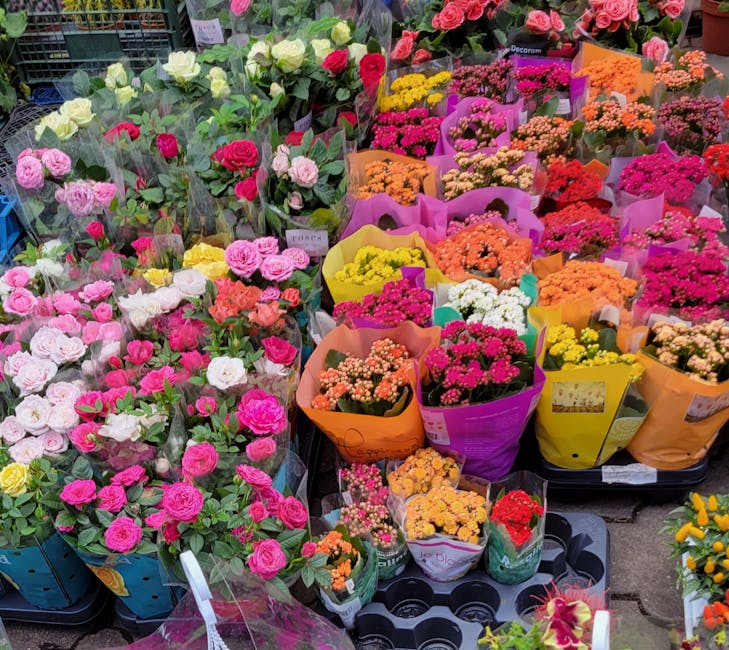
Flowers are organic, but that doesn't automatically mean they belong anywhere you like. In a shared bin area, for example, a small bunch of dead roses can smell harmless at first and then turn into a messy, wet bundle by the end of the day. Add plastic wrapping, florists' foam, and wilted leaves, and suddenly you've got waste that behaves very differently from the original gift.
For Harrow households, the main reason this matters is simple: sorting flower waste correctly helps keep collections cleaner, reduces contamination, and makes home disposal easier. It also stops you from throwing recyclable or compostable parts into the wrong bin just because the bouquet is mixed-material. That's a common little trap. We've all done the "one bag will do" thing once or twice.
There's another angle as well. Flowers often arrive for sensitive occasions: birthdays, anniversaries, condolences, get-well messages, weddings, or just because someone wanted to cheer a room up. Disposing of them thoughtfully can feel like a small act of respect. Not dramatic, just considerate.
If you're already browsing flower options for a future occasion, you may also find it useful to look at sustainability and flower care so the bouquet lasts longer in the first place. Less waste, fewer headaches. That's the dream, really.
How Where to recycle flowers in Harrow Harrow Council disposal guide Works
The basic rule is straightforward: separate the flower material from everything else. The petals, stems, leaves, and other natural plant matter are typically the part you want to divert away from general rubbish. In most homes, that means composting if you have the option, or using the appropriate garden waste route if available to you.
What people often miss is that bouquets are rarely just flowers. A florist arrangement might include:
- plastic wrap or decorative film
- card sleeves or printed tags
- rubber bands, string, or wire
- water tubes
- oasis foam or floral foam
- glittered decoration or synthetic ribbon
Those extras are the real sorting challenge. The flowers can usually be composted or placed with green waste. The non-organic parts may need to go into general waste unless your local recycling route specifically accepts them. It's a bit fiddly, yes, but once you do it a few times it becomes second nature.
For households that buy mixed arrangements from a local florist, it can help to choose simpler packaging from the start. A mixed bouquet from a trusted local shop, such as the range at Florist West Harrow or a seasonal selection like florist choice, is often easier to break down later than heavily wrapped gift bouquets. Not always, but often enough to matter.
And if you're receiving flowers by post or ordering for a special date, consider the packaging too. Some products are designed with convenience in mind, such as flowers by post in West Harrow and same-day flower delivery in West Harrow. The less unnecessary packaging, the easier the end-of-life disposal.
Key Benefits and Practical Advantages
Sorting flower waste properly may not feel glamorous. But there are real benefits, and some of them are surprisingly practical.
- Cleaner bins: organic material can be messy once it starts to rot, especially when mixed with plastic and ribbon.
- Better composting: flowers break down well when kept free from synthetic decorations and plastic ties.
- Less contamination: your recycling is less likely to be rejected if you keep non-recyclable bits out.
- Lower smell and waste: separating bouquet waste early reduces odour and leakage in the kitchen caddy or bin.
- More thoughtful disposal: useful when flowers are tied to memorials or family occasions.
There's also a small but real household benefit: once you've made a routine for flower disposal, you tend to manage all other mixed waste better too. One tidy habit usually nudges another. A bit annoyingly, in the nicest way.
If you send flowers often, it may also be worth choosing a florist with a stronger quality standard and longer-lasting arrangements. Options such as best flower delivery in West Harrow, flower delivery in West Harrow, or carefully selected best sellers can help reduce waste simply because the flowers stay fresher for longer.
Who This Is For and When It Makes Sense
This guide is for anyone in Harrow who has to deal with flowers after they've done their job. That includes a lot of people more often than you'd think.
- Homeowners clearing a vase after a birthday or dinner party
- Tenants in flats who need a clean, low-odour disposal method
- Families managing sympathy or funeral flowers
- People with compost bins or garden waste collections
- Anyone trying to reduce mixed waste and packaging
- Local businesses, salons, offices, and hospitality spaces that receive regular floral displays
It makes particular sense if you get bouquets frequently. That might be for celebrations, for client visits, or because you simply like having flowers around. A vase of lilies by the window or a table arrangement in the hallway looks lovely, but after a week you need a plan. Not a complicated one. Just a plan.
For example, if you often order thoughtful bouquets for special moments, it helps to think about end-of-life disposal when choosing the gift. A simple bouquet from send flowers West Harrow or occasion-based ranges like any occasion flowers may be easier to sort later than a heavily decorated display. That's not a reason not to buy beautiful flowers, of course. It just means being a bit smarter about the whole cycle.
Step-by-Step Guidance
Here's the simple version of what to do when your flowers have reached the end of the road.
- Remove the bouquet from the vase. Tip out old water into the sink or toilet, not onto shared indoor flooring. Stale flower water can smell unpleasant quickly.
- Separate natural material from packaging. Take off plastic wrap, stickers, synthetic ribbon, wire, and anything shiny or coated.
- Check for floral foam. If your arrangement uses foam, treat it as non-compostable unless you know otherwise from the supplier. It is tiny, but it causes plenty of confusion.
- Decide between compost, green waste, or general waste. If the flowers are clean and free from synthetic additives, composting is usually the most sensible route. Otherwise, use the waste stream that accepts mixed plant matter.
- Break stems down a little. Longer stems compost better if cut into manageable lengths. Nothing fancy, just quicker breakdown.
- Rinse and reuse the vase. A quick wash prevents residue and makes the kitchen look less like a florist's after a storm.
If you keep a compost bin at home, you can add flowers along with other organic kitchen and garden waste, provided you strip out the artificial parts first. If you don't compost, check whether your household garden waste service accepts cut flowers. Many people in flats don't have that route, so general waste may be the fallback. Not ideal, but practical.
One more thing: if the flowers were in a tribute or memorial arrangement, don't rush the process. Sometimes the card messages, ribbon, or keepsake items matter more than the flowers themselves. Separate what you want to keep first. Then deal with the rest calmly.
Expert Tips for Better Results
After dealing with enough bouquets, a few patterns become obvious.
- Sort immediately. The longer flowers sit wet in a bag, the more they smell and squash down into a slippery mess.
- Keep compostable and non-compostable parts apart from the start. A single tray or bag for each saves time later.
- Use a small indoor caddy for petals and stems. It's a neat trick if you compost regularly.
- Reuse what you can. Glass vases, reusable ribbons, and sturdy gift cards can be kept for future use.
- Choose simpler arrangements when possible. Flowers wrapped in minimal packaging are easier to handle at the end.
A florist arrangement built around naturally long-lasting stems can also reduce waste. If you like fuller displays, look at bouquets with hardy blooms such as chrysanthemums, carnations, or alstroemeria. They often stay fresh longer than more delicate options, which means fewer hurried bin runs on a Sunday evening.
And if you want something attractive without overspending, a simple selection from cheap flowers West Harrow or budget flowers can still be a thoughtful gift. Beautiful does not have to mean wasteful. Nice little bonus there.
Common Mistakes to Avoid
Flower disposal sounds easy until one awkward ingredient throws the whole thing off. Here are the mistakes people make most often.
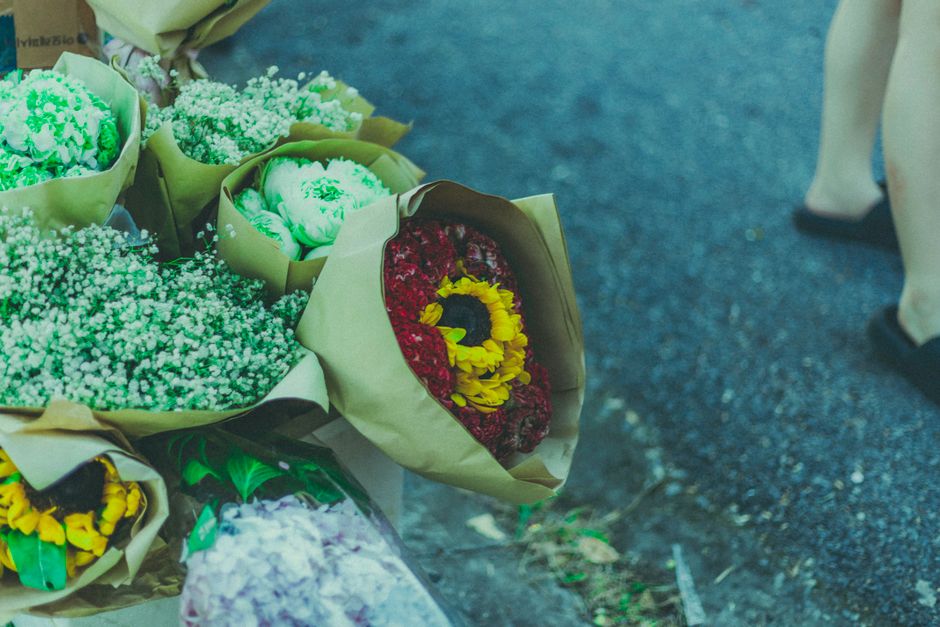
- Throwing the whole bouquet into recycling. Mixed bouquets are rarely recyclable as one item.
- Leaving plastic wrap on. Even a small amount of film can ruin compost quality.
- Adding floral foam to compost. Foam is one of the most common hidden problems.
- Forgetting wires and ties. These don't break down like stems do.
- Letting flowers rot in the kitchen too long. It starts with a faint smell and ends with regret.
- Mixing keepsakes with waste. Cards, ribbons, and memorial notes should be checked before disposal.
Another easy mistake is assuming every florist uses the same packaging. They don't. One bouquet might arrive in a fully recyclable sleeve, while another uses layers of decorative plastic and foam. That's why it helps to inspect every part before binning anything.
And if you're ordering for a funeral or sympathy occasion, you may want to be more careful than usual. Some arrangements from funeral flowers in West Harrow or sympathy flowers can include keepsake ribbons or custom message cards that family members may wish to hold on to. A quick check saves awkward moments later.
Tools, Resources and Recommendations
You do not need much equipment to manage flower waste well, but a few basic items make the process smoother.
| Item | Why it helps | Best use |
|---|---|---|
| Small kitchen caddy | Keeps organic waste contained and tidy | Petals, stems, leaves, and other plant matter |
| Scissors or garden snips | Makes bouquet breakdown faster | Cutting stems into compost-friendly pieces |
| Reusable vase | Helps you rinse and reuse instead of replacing | Fresh displays and quick clean-up |
| Separate bag for packaging | Keeps plastic, wire, and ribbon apart from organics | Sorting mixed arrangements |
| Compost bin | Turns plant waste into useful material over time | Home gardens and shared compost systems |
As a recommendation, think about the buying stage and the disposal stage together. That sounds obvious, but it's easy to overlook. If you regularly send bouquets, a supplier that values responsible packaging and clear product information can save you effort later. You may also want to browse about us to understand the approach behind the arrangements, or review guarantees if freshness and quality matter to you.
If you're comparing delivery options, it can also help to look at delivery and payment information before ordering. Again, not because recycling flowers is complicated, but because the whole process is easier when the purchase itself is sensible.
Law, Compliance, Standards, or Best Practice
For most households, the key issue is best practice rather than anything complicated or legal. That said, waste rules can vary depending on whether you are dealing with household waste, garden waste, or business premises. It is always wise to follow the collection guidance provided for your own property type and local service arrangement.
In practical terms, the safest approach is:
- keep organic flower material separate from plastic and synthetic accessories
- avoid contaminating recycling with wet waste or mixed bouquet packaging
- use composting routes only for appropriate plant matter
- treat foam, wire, and coated wrapping as non-organic unless clearly stated otherwise
For businesses, the expectations are a little stricter. Shops, offices, event venues, and hospitality settings should make sure flower waste is sorted into the right stream and that staff understand what counts as organic waste versus general rubbish. If you run a workplace with regular floral displays, good waste habits help keep things professional and clean. Nobody enjoys a soggy back-room bin by Friday afternoon.
It is also sensible to remember that council collection details can change. So if you are acting on a Harrow disposal guide, check the current local arrangements for your property type rather than relying on old habits. Best practice is about staying tidy and compliant, not guessing.
Options, Methods, or Comparison Table
Here is a straightforward comparison of the most common ways to deal with old flowers in Harrow.
| Method | Best for | Pros | Watch-outs |
|---|---|---|---|
| Home composting | Clean flowers and stems | Low waste, convenient, good for gardens | Remove all plastic, foam, and wire first |
| Garden waste collection | Plant matter from larger bouquets | Useful for households without compost bins | Check what the service accepts |
| General waste | Mixed bouquets with synthetic packaging | Simple fallback when sorting is not possible | Less sustainable, can smell if left too long |
| Reuse or dry | Sentimental flowers or decorative stems | Extends life, looks nice in the home | Not suitable for every arrangement |
If you ask which is the "best" option, the honest answer is: it depends on the bouquet and your household setup. A clean bunch of roses is one thing. A foam-backed funeral spray is another. There is no single trick that fits every case, and that's fine.
For households that like a specific style, seasonal flowers such as summer flowers or autumn arrangements can sometimes be simpler to manage because they are often designed around natural stems and seasonal structure. Not always, but often enough to be worth thinking about.
Case Study or Real-World Example
Imagine this: it's Monday morning in a Harrow flat, and a bouquet from the weekend is starting to droop on the windowsill. The petals are still pretty, but the water has gone cloudy and the stems have folded a little. You've got the usual mix of packaging too - a plastic sleeve, a ribbon, and a card from the sender.
The simplest way to handle it is to take the bouquet apart at the sink. The flowers go into a compost caddy or green waste route, the plastic sleeve gets separated for the correct waste stream, the ribbon is checked for reuse, and the card is kept if it matters. Ten minutes later, the kitchen smells normal again and the vase is ready for next time. Nothing heroic. Just tidy.
Now compare that with leaving the whole thing in one bag by the door for three days. By the time it's dealt with, the stems are soggy, the smell has spread, and the packaging is stuck to everything. Same flowers. Very different outcome. A tiny bit of effort at the start saves a lot of irritation later.
That's why the Harrow Council disposal guide approach makes sense in real life: separate, sort, and keep the organic part clean. It's a low-drama system, which is exactly what most people need on a busy weeknight.
Practical Checklist
Use this quick checklist when disposing of flowers:
- Have I removed all plastic wrap, tape, and stickers?
- Have I taken out any foam, wire, or synthetic decorations?
- Are the stems and petals suitable for composting or green waste?
- Have I checked whether any keepsake items need to be saved?
- Is the vase clean and ready to reuse?
- Have I avoided mixing wet flower waste with recyclable packaging?
- Do I know whether my household has compost, garden waste, or general waste as the right route?
And if you want to reduce future waste, choose flowers that last longer, need less packaging, or are easier to separate later. For birthdays, anniversaries, or thoughtful gestures, browse options like birthday flowers in West Harrow, anniversary flowers, or thinking of you flowers with disposal in mind too. It sounds small, but it all adds up.
Conclusion
When people search for where to recycle flowers in Harrow, they usually want a calm, practical answer rather than a lecture. Fair enough. The main idea is simple: separate the natural flower material from the packaging, compost or green-waste the plant parts where appropriate, and keep plastic, foam, ribbon, and wire out of the organic waste stream.
Once you've done it a few times, it becomes second nature. Fresh flowers brighten a room for a few days; a good disposal routine keeps your home clean after they fade. That's the real win here. Small effort, less mess, better habits.
If you're choosing flowers with the end in mind, lean toward simpler arrangements, better care, and thoughtful packaging. Your future self will thank you, probably while carrying the vase to the sink on a grey Tuesday evening. It's a tiny domestic victory, but those matter.
Get a free quote today and see how much you can save.
Frequently Asked Questions
Can I put dead flowers in the recycling bin in Harrow?
Usually no. Dead flowers are organic waste, not dry packaging recycling. The flowers themselves are better suited to composting, garden waste, or general waste if no other route is available. The packaging around them may be a different matter, so separate it first.
Are flowers compostable if they came from a florist bouquet?
Often yes, but only the natural plant material. Remove plastic wrap, foam, wire, tape, and decorative extras before adding flowers to compost. If the bouquet contains glitter, synthetic ribbon, or treated stems, be cautious and keep those parts out.
What should I do with floral foam?
Floral foam should not usually go into home compost. It is a synthetic material and tends to break down poorly. Dispose of it with the appropriate general waste unless you have specific guidance that says otherwise.
Can I recycle the wrapping from my bouquet?
Sometimes, but not always. It depends on the material. Plain card may be recyclable, while plastic film, ribbon, and coated wrapping often are not accepted in standard recycling. Check each part separately rather than assuming the whole bouquet belongs in one bin.
What if the flowers are still slightly fresh?
If they are still decent, you could keep them a little longer, dry them, or move them to a smaller vase. If not, treat them as waste in the usual way. Sometimes a bouquet just needs one last day on the mantel before it goes, and that's fine.
Do funeral flowers need special disposal?
Not usually in a legal sense, but they are often handled more carefully because of sentiment. Check for cards, keepsakes, ribbons, or memorial items before throwing anything away. The flowers themselves can normally be composted or placed in the relevant waste stream once separated.
Can I dry flowers instead of binning them?
Yes, if the blooms are suitable and you want to keep them for display. Air drying works well for many bouquets. It is not a recycling method, strictly speaking, but it can reduce waste and give the flowers a second life.
What is the easiest way to sort a mixed bouquet?
Start by pulling off packaging, then separate all natural material from synthetic parts. Keep one bag for plant matter and another for plastics or non-recyclables. It's boring for about five minutes, then oddly satisfying.
Should I wash the vase before reusing it?
Yes. Old flower water can leave residue and smell. A quick wash with warm soapy water is usually enough. It also helps prevent cloudy marks and makes the next arrangement look fresher.
What if I live in a flat with no compost bin?
Then your practical options are usually to use the relevant waste collection route available to you or general waste for the mixed materials. The key is still to separate out anything recyclable or reusable before you bin the flowers.
Are longer-lasting flowers better for reducing waste?
Yes, generally speaking. Flowers that stay fresh longer give you more value and create less waste over time. Hardier stems and simpler arrangements often help, especially if you buy bouquets regularly.
Can I use this guide for shop or office flowers too?
Absolutely. In fact, businesses often benefit even more from clear sorting because they receive flowers regularly and have more visible waste areas. A tidy process saves time, reduces smell, and keeps shared spaces professional.