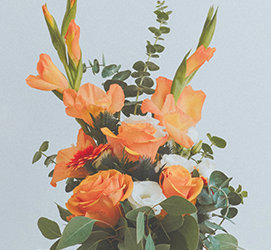
Wedding flowers Harrow on the Hill Harrow School supplier guide
Posted on 29/05/2026
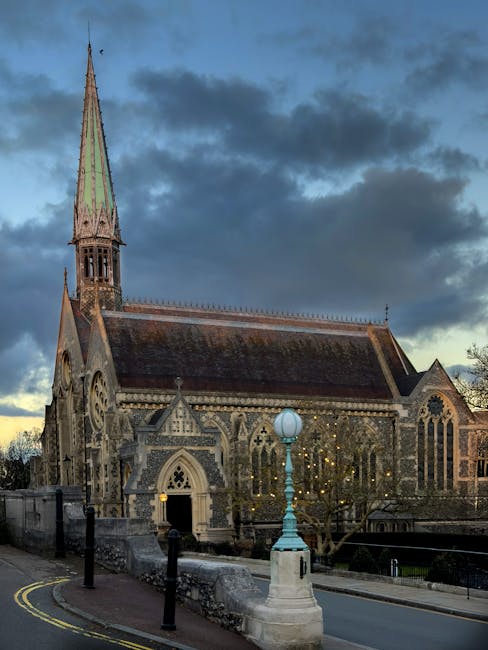
Planning wedding flowers around Harrow on the Hill and Harrow School is a lovely problem to have, but it is still a problem. Narrow access, timing pressure, historic surroundings, formal expectations, and a hundred tiny details can all shape what works on the day. This Wedding flowers Harrow on the Hill Harrow School supplier guide brings those details together in one place, so you can choose arrangements that look beautiful, arrive on time, and actually suit the venue rather than fighting it.
Whether you are organising a small ceremony, a more elaborate reception, or simply need a supplier who understands the rhythm of local wedding days, the aim is the same: calm planning, elegant flowers, and fewer last-minute surprises. Let's face it, weddings are emotional enough without wondering whether the bouquets will fit through a doorway or whether the table flowers will block conversation.
Below you'll find practical guidance on styles, logistics, timing, supplier choice, and what to ask before you book. You'll also see a few relevant links to our local flower pages, including wedding flowers in West Harrow, our bridal bouquet selection, and our broader florist service for West Harrow.
Quick takeaway: for Harrow on the Hill and Harrow School weddings, choose designs that are elegant, secure in transit, and manageable on site. The best supplier is the one who understands venue access, setup timings, and how to keep flowers fresh from van to venue.
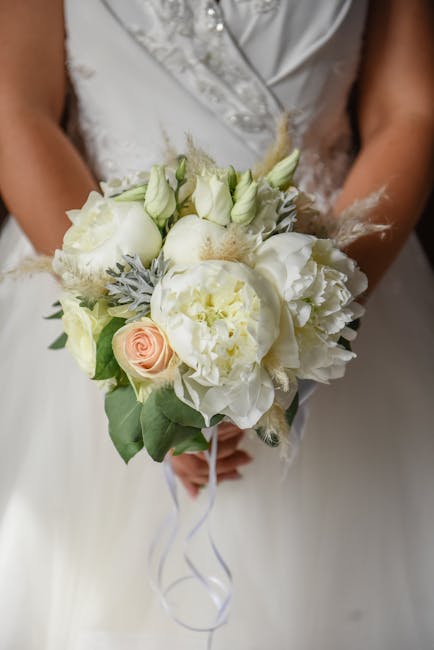
Table of Contents
- Why Wedding flowers Harrow on the Hill Harrow School supplier guide Matters
- How Wedding flowers Harrow on the Hill Harrow School supplier guide Works
- Key Benefits and Practical Advantages
- Who This Is For and When It Makes Sense
- Step-by-Step Guidance
- Expert Tips for Better Results
- Common Mistakes to Avoid
- Tools, Resources and Recommendations
- Law, Compliance, Standards, or Best Practice
- Options, Methods, or Comparison Table
- Case Study or Real-World Example
- Practical Checklist
- Conclusion
- Frequently Asked Questions
Why Wedding flowers Harrow on the Hill Harrow School supplier guide Matters
Wedding flowers do more than decorate a room. They set the tone the moment guests arrive. At a venue near Harrow on the Hill, that matters even more because the setting already carries a strong sense of place. You are not just buying flowers; you are shaping how the day feels in photographs, in the ceremony space, and in the little in-between moments when people are standing around waiting for the bride to appear.
For a Harrow School wedding, the supplier needs to understand that the venue environment may be formal, organised, and slightly different from a standard hotel or village hall setup. Access routes, parking, setup windows, and hall layouts can all influence what is realistic. A tall pedestal arrangement that looks gorgeous in a showroom can be a nuisance if it blocks sightlines or is too awkward to move quickly.
That is why a supplier guide matters. It helps you think like a florist and a logistics planner at the same time. A good wedding florist does not just say, "Yes, we can do that." They ask where the flowers will sit, how long they need to last, who will move them after the ceremony, and whether the palette should match a black-tie feel or something softer and more romantic.
It also helps you avoid a common mistake: choosing flowers by picture alone. Beautiful inspiration is useful, of course, but the best result comes from matching design to venue, season, and practical handling. If you're sourcing locally, you may also want to explore flower shops in West Harrow that can support last-minute adjustments without turning the day into a scramble.
How Wedding flowers Harrow on the Hill Harrow School supplier guide Works
In plain English, the process is usually a sequence of decisions: style, quantity, timing, delivery, installation, and collection. The supplier guide is essentially the map that keeps those decisions in the right order. Without it, couples often end up booking the prettiest arrangement first and only later realising they need a plan for buttonholes, table arrangements, or how the bouquets will be kept fresh before the ceremony.
Here is how it usually works in practice:
- Define the ceremony and reception spaces. A chapel, hall, side room, or marquee all call for different scales of design.
- Choose a palette. Whites, creams, blush pinks, purples, and mixed colours are common for elegant school and heritage settings.
- Match flowers to structure. Rounded bridal bouquets, neat bridesmaid bouquets, buttonholes, and table arrangements each play a different role.
- Confirm venue constraints. Ask about access times, loading points, lifts, stairs, and any rules about attaching decor.
- Set delivery and setup windows. Wedding flowers need to arrive with enough time for conditioning, placement, and a quick final check.
- Plan the day-after reality. Some arrangements can be reused at the reception or taken home, while others are better designed as single-point installations.
If you want to browse by occasion while planning, our weddings collection and wedding table arrangements are useful starting points. For couples wanting a more statement-led look, the luxury flowers range can help create a more polished finish.
A small but important detail: flowers are living products. They respond to weather, handling, and time. A June wedding in full sun behaves very differently from a cooler autumn ceremony. That's why the best suppliers plan with freshness, transport, and setup order in mind, not just visual appeal.
Key Benefits and Practical Advantages
Working with the right wedding flower supplier brings more than nice-looking arrangements. It reduces friction, saves time, and helps the whole day feel calmer. Here are the benefits that matter most around Harrow on the Hill and Harrow School weddings:
- Venue-aware design: Flowers are sized and styled for the actual space, rather than an idealised photo shoot.
- Better timing control: Delivery can be coordinated around access windows, photography, and ceremony start times.
- Less waste: Designs can be planned so bouquets, table pieces, and entrance flowers can be reused where possible.
- More consistent styling: Bridal bouquet, bridesmaid bouquets, buttonholes, and table flowers can all feel like part of one story.
- Lower stress: One supplier managing the flow is usually easier than several people handling different parts piecemeal.
There is also a real emotional benefit that people sometimes overlook. The flowers are among the first things guests notice and one of the last things they remember. A bride stepping into a room full of soft white roses or subtle mixed blooms tends to feel more settled, more "here it is," and that matters. A lot, actually.
For practical budgets, it can help to compare styles by structure. A hand-tied bouquet might be ideal for a simpler ceremony, while a layered arrangement with roses and lisianthus can create a richer look for a formal venue. You can also use category pages like white flowers or mixed colours to explore palettes that suit classic wedding spaces.
Who This Is For and When It Makes Sense
This guide is for anyone planning wedding flowers in or around Harrow on the Hill, especially if Harrow School is part of the plan, the photos, or the venue access conversation. It is useful for:
- Couples planning a formal or traditional ceremony
- Families helping with logistics and supplier choice
- Wedding planners coordinating multiple vendors
- Brides and grooms who want a local supplier rather than a generic online order
- Anyone needing bridal flowers, buttonholes, corsages, and reception decor to work together
It makes sense to think carefully about the supplier when the day involves more than a simple bouquet. If you need a bridal bouquet, bridesmaid flowers, buttonholes, table arrangements, and perhaps a few romantic extras, then the coordination piece becomes real. That is where a local florist can earn their keep. Truth be told, the beauty is only half the job.
This also applies if you have specific colour requirements. For example, schools and heritage venues often suit refined whites, soft pinks, pale lilacs, or elegant greenery. But some couples want a brighter, more celebratory feel, and that can work too if it is handled with balance. Our pink flowers, red flowers, and purple flowers collections show how colour can shift the mood without losing sophistication.
Step-by-Step Guidance
If you want the cleanest route from idea to delivery, follow this order. It sounds simple, but it saves a surprising amount of stress.
- Start with the venue and date. Before flower types, confirm ceremony location, reception venue, and the exact time flowers can be brought in.
- Decide the overall look. Classic, romantic, modern, garden-style, or school-formal? The style should suit the architecture and the dress code.
- Build the essential set. At minimum, think bridal bouquet, bridesmaid bouquet(s), buttonholes, and reception arrangements.
- Choose flowers that behave well. Roses, lilies, alstroemeria, carnations, chrysanthemums, germini, and hydrangeas each have different visual and practical strengths.
- Check size and weight. A bouquet should look full but still be comfortable to hold for photos and walking.
- Confirm delivery and setup. Ask how the flowers will be transported, who will receive them, and whether they arrive arranged or need final conditioning.
- Plan the handover. Tell someone exactly where each item goes. It avoids the classic "where do the buttonholes live?" moment.
- Do a final review a week before. Check timings, quantities, names, buttonhole counts, and any changes to the guest list or table plan.
For an efficient planning path, many couples begin with the bridal bouquets page, then move to bridesmaid bouquets and wedding buttonholes. Once those anchor pieces are fixed, the rest usually falls into place much more easily.
A good rule of thumb: fix the structure first, then refine the decoration. Not the other way round.
Expert Tips for Better Results
These are the small decisions that make a big difference. You do not need every one of them, but the more you use, the less likely you are to end up with flowers that are pretty but slightly awkward in real life.
- Keep the bouquet silhouette tidy. Formal venues often suit a shape that feels controlled rather than wildly loose.
- Use one focal flower family. Roses or lilies as the main thread can help the whole design feel cohesive.
- Mind the scale of the room. High ceilings and long tables can handle bigger statement pieces; smaller rooms often benefit from low, refined arrangements.
- Think about photos. Neutral or softly toned flowers tend to photograph well in daylight and under mixed indoor lighting.
- Choose sturdy stems for hand-held items. Buttonholes and corsages need to survive movement, hugs, and a fair bit of greeting around a venue.
- Ask for care advice. A simple little handover note can help keep flowers looking fresh until the final reception moment.
At West Harrow Florist, many couples also like to use themed collections to keep the process straightforward, such as Royal Essence, White Wonders, or The Perfect Match. They make decisions easier because the design language is already joined up.
If you want the look to feel a little more luxurious without becoming overblown, think texture, not just quantity. A few roses, some lisianthus, and a touch of orchid can feel more elegant than an overstuffed arrangement. That's the trick, really.
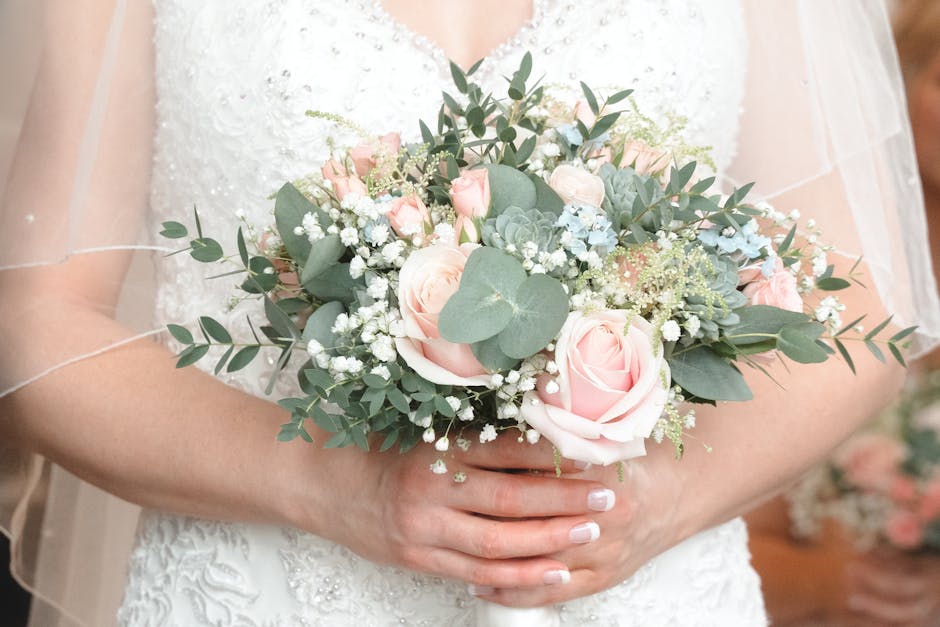
Common Mistakes to Avoid
Most wedding flower problems are not dramatic disasters. They are small avoidable issues that snowball. The good news? They are easy to dodge once you know them.
- Booking too late: Good wedding dates fill quickly, especially in peak season.
- Ignoring venue access: If loading is awkward or setup time is tight, tell your florist early.
- Choosing flowers that clash with the room: Very large, busy arrangements can fight with a historic or formal interior.
- Forgetting the full set: Couples sometimes remember the bouquet and forget buttonholes, corsages, or small table pieces.
- Overcomplicating the palette: Too many colours can make the styling feel less polished.
- Not planning re-use: Reception flowers can often be repurposed if you think ahead.
One slightly unglamorous but very real issue is transport. A bouquet that looked immaculate in the florist's workroom can shift, droop, or lose shape if it is left loose in a warm car. Ask how arrangements should be stored and moved. It is not the exciting part of wedding planning, no, but it matters.
If you need broader support beyond weddings, the same supplier should be able to handle flower care guidance, flexible delivery options, and clear service terms. That kind of joined-up service usually tells you a lot about how the wedding order will be managed too.
Tools, Resources and Recommendations
You do not need fancy software to plan wedding flowers well. In most cases, a simple checklist, a few screenshots, and one clear point of contact are enough. Still, a few tools and resource types help enormously:
- Venue floor plan or table layout: Helps size the arrangements accurately.
- Colour swatches or fabric photos: Useful for matching flowers to dresses, ribbons, and table linen.
- Guest list and buttonhole count: Prevents last-minute under-ordering.
- Timing schedule: Important for deliveries, setup, and photographs.
- Care notes for the bridal party: Especially useful if bouquets need to be held for several hours.
On the product side, a few pages are especially helpful when planning a wedding order. For example, roses are a classic starting point, lilies work well in more formal compositions, and alstroemeria can bring texture and value without making the design look heavy. If you want reception pieces, look at table arrangements alongside the bouquet designs, so everything feels connected.
For couples with tighter budgets, there is no shame in simplifying. A smaller number of well-designed flowers is better than a crowded room full of mismatched pieces. If you are trying to balance cost and style, the affordable flowers option and our budget range can be a sensible place to start.
Law, Compliance, Standards, or Best Practice
For most couples, the main compliance issue is not a legal one in the strict sense. It is about venue rules, access, safety, and supplier professionalism. Schools and historic venues often have their own operational expectations, and these should be respected carefully.
Best practice usually includes the following:
- Clear delivery instructions: Give names, mobile numbers, arrival times, and the exact drop-off point.
- Respect for venue restrictions: Some places limit adhesive fixing, open flame, water use, or floor-standing items.
- Stable mechanics: Tall designs should be secured so they do not tip in transit or during setup.
- Transparent ordering: The supplier should confirm what is included, what is optional, and what happens if the plan changes.
- Careful substitution policy: Because flowers are seasonal, a responsible florist should explain substitutions plainly if needed.
If you are comparing suppliers, trust signals matter. Pages like About Us, Guarantees, Returns and Refund, and Terms and Conditions help show how the business works in practice. That sort of clarity is especially reassuring when you are placing an order for a date that cannot be repeated.
Accessibility also matters. If guests or venue staff need clear, easy-to-move arrangements, low designs may be a better fit than oversized centerpieces. Not every beautiful arrangement needs to shout.
Options, Methods, or Comparison Table
Here's a simple way to compare the most common wedding flower approaches for a Harrow on the Hill or Harrow School setting.
| Option | Best For | Strengths | Watch Outs |
|---|---|---|---|
| Classic rose-led bouquet | Formal ceremonies and timeless styling | Elegant, photogenic, widely suited to heritage venues | Can feel predictable if not styled with texture |
| Mixed seasonal design | Romantic or garden-inspired weddings | Natural movement, more personality, often good value | Needs careful colour control to avoid looking busy |
| White and green scheme | School venues, formal halls, modern classic weddings | Refined, calm, and easy to coordinate | Needs texture to avoid feeling flat |
| Luxury statement florals | Large receptions and high-impact styling | Strong visual effect, premium feel | More planning required for access, handling, and budget |
If you are undecided, start by thinking about the space first and the flowers second. That sounds backward, maybe, but it works. A design that suits the venue will usually look more expensive than a more expensive design that does not suit the venue.
Case Study or Real-World Example
Here is a realistic example based on the kind of wedding brief local florists often see.
A couple planning a late-afternoon ceremony near Harrow on the Hill wanted a formal feel without making the room too heavy. The venue had limited setup time, a narrow access point, and several guests arriving early for photographs. They originally wanted large, dramatic pieces everywhere. After a conversation about flow and practicality, they scaled the plan into a clearer structure: a bridal bouquet with roses and lisianthus, two smaller bridesmaid bouquets, buttonholes for the wedding party, and low table arrangements for the reception.
The change made the whole day easier. The bouquets were lighter to carry, the photos looked elegant, and the table flowers did not block conversation. The room felt finished, not cluttered. One of those little wins that you only really appreciate on the day, when everyone is standing there with a glass in hand and the atmosphere just feels right.
They also used a few linked choices from the same collection, which helped the styling stay consistent. A supplier page like I Cherish You wedding collection can be useful in this way because it gives couples a coherent look without having to piece everything together one item at a time.
The practical lesson? Simpler, coordinated flowers often give a better overall effect than trying to do too much. Especially in a venue with character already built in.
Practical Checklist
Use this before you confirm your wedding flower order.
- Venue name, access details, and setup window confirmed
- Ceremony and reception spaces measured or visually assessed
- Colour palette agreed with dress, decor, and season
- Bridal bouquet selected
- Bridesmaid bouquets selected
- Buttonholes and corsages counted
- Table arrangements or focal pieces chosen
- Delivery date and time confirmed in writing
- Named contact at the venue assigned
- Substitution preferences discussed
- Flower care instructions requested
- Budget and payment terms understood
And one more thing: keep a screenshot or printed copy of the agreed order. It sounds old-school, but on a wedding morning old-school is often brilliant.
Conclusion
The best wedding flowers for Harrow on the Hill and Harrow School are the ones that respect the venue, support the schedule, and make the day feel effortless. Beautiful flowers matter, absolutely. But flowers that arrive smoothly, fit the space, and hold together from the first photo to the last toast matter just as much.
If you remember only three things, make them these: plan around the venue, keep the design coordinated, and choose a supplier who understands logistics as well as style. That combination is what turns a nice floral order into a calm, polished wedding detail.
For more inspiration, start with our local wedding flowers page, then explore the bouquet and table options that best match your day. A good florist will help the flowers feel like they were always meant to be there. And honestly, that's the goal.
Get a free quote today and see how much you can save.
Frequently Asked Questions
Do I need a specialist supplier for Harrow School wedding flowers?
It helps, yes. A supplier who understands formal venues, access timings, and structured setup plans can save you a lot of stress. Harrow School weddings often benefit from flowers that are elegant and easy to place.
What flowers work best for a wedding at Harrow on the Hill?
Classic choices like roses, lilies, lisianthus, alstroemeria, and hydrangeas often work well. The best choice depends on the season, your palette, and how formal the venue feels.
How far in advance should I book wedding flowers?
As early as you can, especially for popular dates. The earlier you book, the more choice you usually have on flowers, timings, and design details.
Can wedding flowers be delivered directly to the venue?
Yes, many can. What matters is clear access instructions, an agreed time window, and someone at the venue who can receive them. Always confirm this in advance.
How do I keep wedding bouquets fresh on the day?
Keep them cool, out of direct sun, and in water or florist-provided packaging until needed. Ask your florist for care instructions because different flowers behave differently.
Are white flowers the safest choice for a school or heritage venue?
White and green schemes are very popular because they feel formal and refined, but they are not the only option. Soft pinks, purples, and mixed palettes can also look beautiful when balanced properly.
What should I prioritise if my budget is limited?
Start with the bridal bouquet, bridesmaid bouquets, and buttonholes. Then add table or ceremony flowers only if the budget allows. A well-designed core set often makes the biggest impact.
Do I need both ceremony flowers and reception flowers?
Not always. Some couples reuse the same arrangements in both spaces, while others keep the plan minimal. It depends on the venue layout and how much movement is practical.
What are the most common mistakes couples make with wedding flowers?
The biggest ones are booking late, forgetting logistics, overcomplicating the design, and failing to check access details. Those issues are easy to avoid with a clear plan.
Can I mix luxury flowers with more affordable options?
Absolutely. In fact, that is often the smartest approach. Using premium focal flowers with simpler supporting blooms can give you a polished look without blowing the budget.
Should I choose a single colour or a mixed palette?
Both can work. A single colour family feels calm and elegant, while a mixed palette can feel livelier. The key is keeping the tone consistent so it doesn't look accidental.
How do I know if a florist is the right fit?
Look for clear communication, helpful product pages, sensible guidance on timing, and trust signals like delivery information, guarantees, and transparent terms. If they explain the process clearly, that is usually a good sign.